New to BTY? Try our New Student Special

New to BTY? Try our New Student Special

Gentle yoga classes share a common intention: to create a safe, supportive space for slowing down and reconnecting. Teaching in this way naturally invites a trauma-informed perspective because all of us will experience trauma. Gentle yoga allows for choice, awareness, and sensitivity to individual experience are central.
As practitioners deepen their practice, they often begin to access what is known as the subtle, or energetic, body. This aspect of the body is explored through Eastern traditions such as yoga and Qigong, as well as holistic modalities like acupuncture and acupressure.
Over time, awareness of the energetic body grows as individuals develop a deeper sensitivity to sensation—the body’s own language. What may begin as simple physical movement can evolve into a more nuanced and profound experience of feeling, presence, and inner connection. The ultimate relaxation practice is restorative yoga which empowers students to move into a state of rest and recovery.
Gentle yoga classes share a common intention: to create a safe, supportive space for slowing down and reconnecting. Teaching in this way naturally invites a trauma-informed perspective because all of us will experience trauma. Gentle yoga allows for choice, awareness, and sensitivity to individual experience are central.
As practitioners deepen their practice, they often begin to access what is known as the subtle, or energetic, body. This aspect of the body is explored through Eastern traditions such as yoga and Qigong, as well as holistic modalities like acupuncture and acupressure.
Over time, awareness of the energetic body grows as individuals develop a deeper sensitivity to sensation—the body’s own language. What may begin as simple physical movement can evolve into a more nuanced and profound experience of feeling, presence, and inner connection. The ultimate relaxation practice is restorative yoga which empowers students to move into a state of rest and recovery.
The mentorship combines classwork and individual meetings and is broken into the following parts:
This website uses cookies to ensure you get the best experience on our website. Read our Privacy Policy.
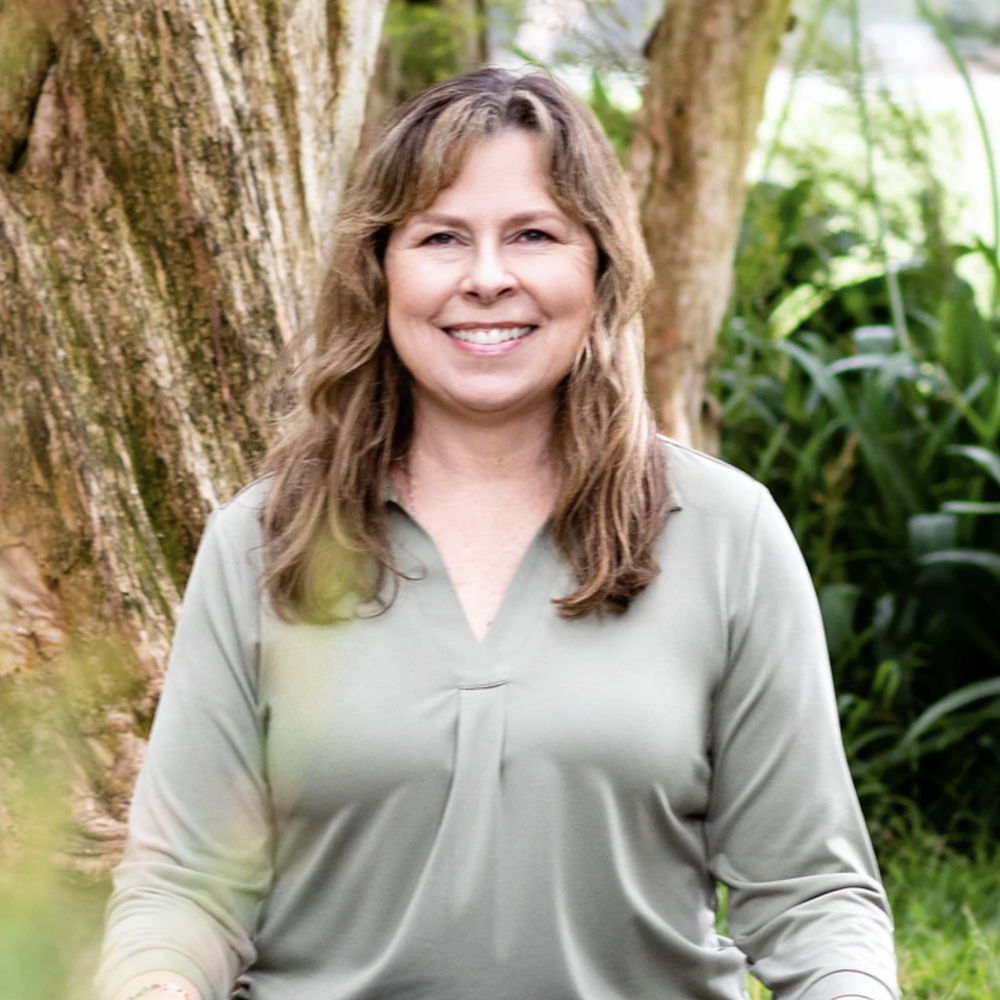
Joanne is an E-RYT 500 and earned her certification through Jennifer Prugh’s, YA certified JOY of Yoga”teacher training and is a Level 2 TRE facilitator. Joanne teaches classes, workshops, teacher trainings, as well as runs retreats locally and internationally. She is co-founder of the Yoga for Trauma Recovery Program and teaches trauma-informed yoga at the VA Hospital in Palo Alto, Menlo Park, and San Jose, California and has voluntarily taught yoga to women incarcerated at the Elmwood Correctional Facility in Milpitas and the Center for Survivors of Torture in San Jose.
When Joanne is not teaching, she enjoys spending time with her children, traveling, photography, and being in nature.
One thing your classes always have? One thing your classes will never have?
Breathwork and grounding will always be included at the beginning of class. There will never be handstands in my classes!
One thing you wish all your students – that everyone, including non-yogis – knew?
I wish students would be more compassionate and kinder to themselves.
What three yogis, living or dead, would you invite to a dinner party?
My yogi dinner party would include Jesus, Patanjali, and Yogananda.